
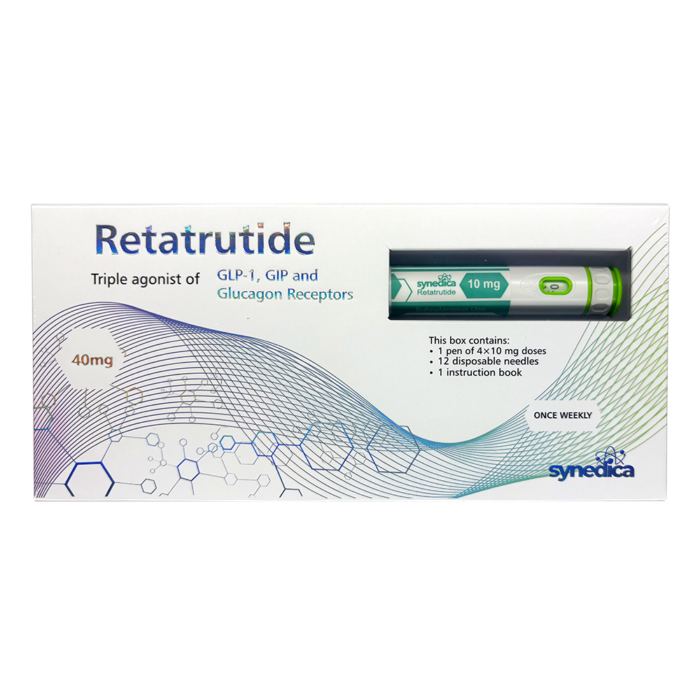
Synedica Retatrutide 40mg Injection Pen Kit – Investigational Research Information
Synedica Retatrutide is a term associated with retatrutide, an investigational medicine being studied for obesity, overweight and related metabolic conditions. Retatrutide is a novel triple hormone receptor agonist that targets the GIP, GLP-1 and glucagon receptors. Unlike established medicines that target one or two of these pathways, retatrutide is being researched for its combined activity across three metabolic signalling pathways.
For UK readers researching retatrutide, it is important to distinguish clinical research from approved medicines. As of August 2026, retatrutide has not been approved by a regulatory agency for routine public use. Eli Lilly, the company developing retatrutide, reports that the medicine remains investigational and is being evaluated in Phase 3 clinical trials.
What Is Retatrutide?
Retatrutide is an investigational once-weekly injectable molecule designed to activate three receptors involved in metabolic regulation: GIP, GLP-1 and glucagon. Research has focused particularly on obesity, overweight and associated metabolic conditions.
The scientific interest surrounding retatrutide has increased substantially as clinical trials have produced promising results. Phase 3 studies announced in 2026 have investigated retatrutide in people living with obesity or overweight, including populations with type 2 diabetes and cardiovascular disease.
These results are encouraging from a research perspective, but clinical-trial findings should not be interpreted as confirmation that an unapproved retatrutide product is suitable or safe for individual use.
Synedica Retatrutide and UK Regulatory Status
Anyone searching for Synedica Retatrutide 40mg, retatrutide injection pen UK, or retatrutide weight-loss research should understand the current regulatory position.
Retatrutide is not currently an approved medicine for routine public use. Lilly states that retatrutide is available only to participants in its sponsored clinical trials and warns that products claiming to contain retatrutide outside legitimate clinical research may have uncertain composition, potency, contamination or impurities.
The UK Medicines and Healthcare products Regulatory Agency (MHRA) has published UK information relating to retatrutide research, including a paediatric investigation plan submitted by Eli Lilly for obesity and overweight. This demonstrates that the compound is progressing through formal development and regulatory processes, but it does not constitute marketing authorisation for a 40mg injection pen.
What Does Current Research Show?
Clinical research has produced notable findings. In the Phase 3 TRIUMPH-1 study, participants receiving retatrutide experienced substantial average weight reductions over the study period. Lilly subsequently reported positive topline results from additional Phase 3 trials involving participants with obesity or overweight and type 2 diabetes, as well as severe obesity and established cardiovascular disease.
Research has also examined effects on glycaemic control. In the TRANSCEND-T2D-1 Phase 3 study, retatrutide produced reductions in HbA1c and body weight among adults with type 2 diabetes.
These findings make retatrutide an important and closely watched area of metabolic medicine research, while further regulatory review and clinical evidence remain necessary.
Retatrutide Injection Pen: Important Information
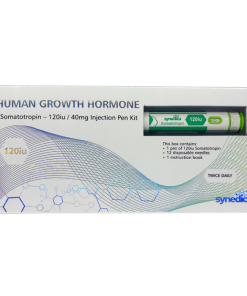
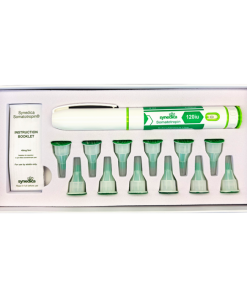
A search for a Retatrutide 40mg Injection Pen Kit may suggest that such a product is an established UK medicine. That would be misleading. The existence of online listings or product descriptions does not demonstrate that a product has received MHRA authorisation or that its contents have been independently verified.
Retatrutide should therefore not be presented as an approved UK weight-loss injection, prescription treatment, or guaranteed solution for obesity. Dosage, administration and treatment decisions should not be inferred from online product listings.
For people interested in legitimate access to investigational medicines, participation in an appropriately authorised clinical trial is the relevant research pathway.
Why Is Retatrutide Receiving Attention?
Retatrutide represents a powerful new direction in metabolic research because of its triple-receptor mechanism. Researchers are investigating whether simultaneous GIP, GLP-1 and glucagon receptor activity can provide meaningful improvements in body weight and metabolic health.
However, promising research does not automatically mean that a medicine is ready for general use. Regulatory authorities assess evidence relating to quality, safety and effectiveness before medicines can be authorised for patients.
UK Retatrutide Research: What Consumers Should Know
UK consumers searching for “Synedica Retatrutide,” “Retatrutide 40mg,” “retatrutide injection UK,” or “retatrutide weight loss” should verify regulatory status carefully.
At present, retatrutide should be regarded as an investigational medicine rather than an approved consumer treatment. Anyone considering treatment for obesity, overweight or type 2 diabetes should speak with an appropriately qualified UK healthcare professional about authorised treatment options.
Key Facts
- Active compound: Retatrutide
- Research type: Investigational medicine
- Mechanism: GIP, GLP-1 and glucagon receptor agonism
- Administration studied: Once-weekly subcutaneous injection
- Current development: Phase 3 clinical research
- UK routine approval: Not currently authorised for public use
- Developer: Eli Lilly
- Clinical research areas: Obesity, overweight, type 2 diabetes and related metabolic conditions
Important Safety and Regulatory Notice
This information is provided for educational and search-information purposes only. It is not medical advice, a prescription, or an endorsement of any unapproved retatrutide product. A product labelled “retatrutide” should not be assumed to contain verified retatrutide or to meet UK pharmaceutical quality standards.
Always check the current status of medicines through appropriate UK regulatory and healthcare sources before considering treatment.
Be the first to review “Retatrutide 40mg Injection Pen Kit”
Related products
Reviews
There are no reviews yet.